
Wellness Brand Activations: How to Design Spaces That Heal and Convert
Wellness consumers are among the most discerning in any market. They research ingredients, scrutinize sourcing, and instantly distrust anything that feels performative or inauthentic. For wellness brands, this means every touchpoint — including events and activations — must be congruent with the brand's core promise.
A wellness activation can't just look calming. It has to feel calming. The difference between the two is intentional spatial design.
THE SPACE ITSELF SHOULD DELIVER THE BRAND'S PROMISE, NOT JUST REPRESENT IT.
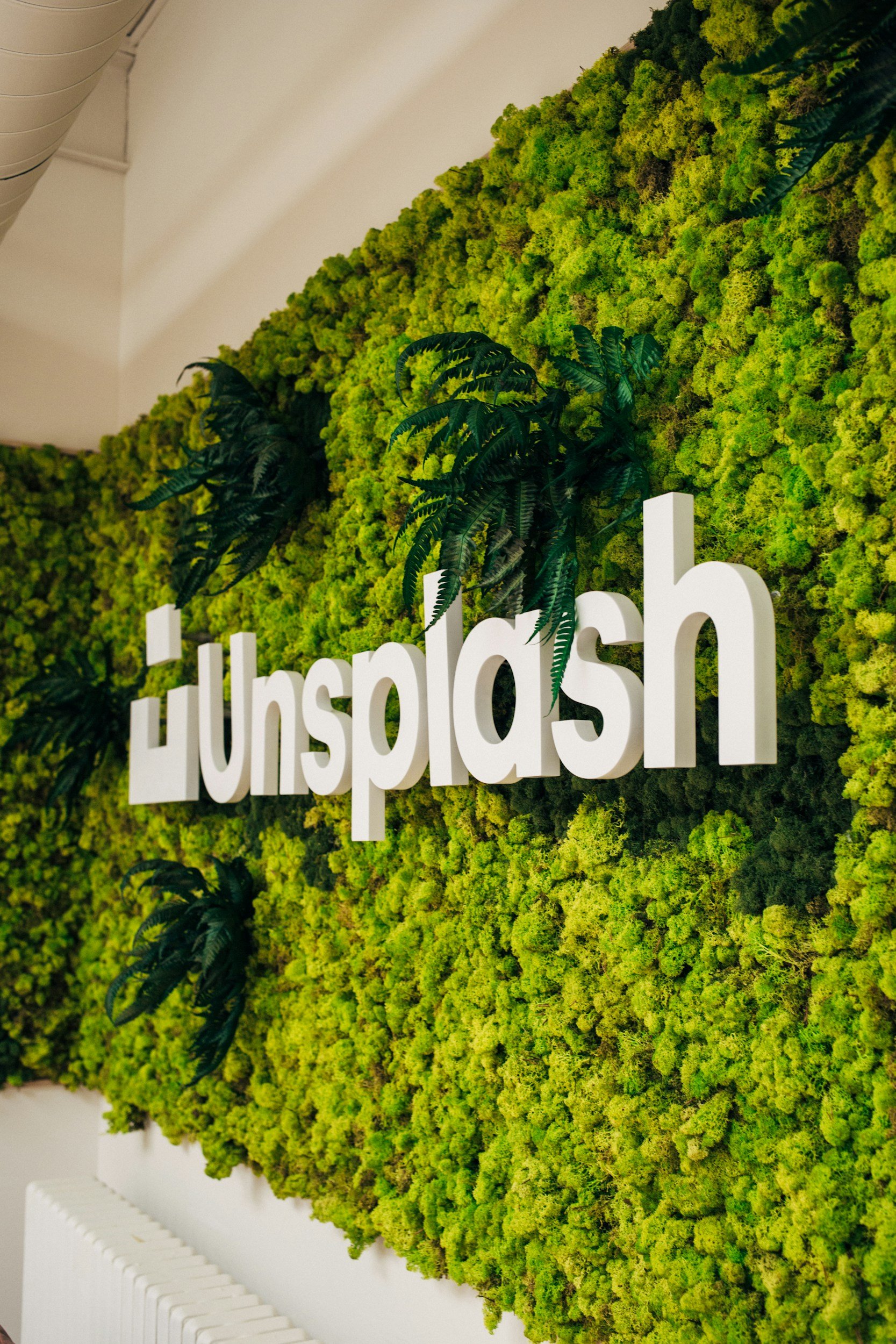
This is where biophilic design becomes a strategic tool, not just an aesthetic one. Biophilic design integrates natural elements: living plants, natural light, organic materials, water features, earthy textures—into built environments to reduce stress, improve mood, and increase a sense of wellbeing. The research is clear: exposure to natural elements lowers cortisol and induces a state of calm alertness.
For a wellness brand, a biophilically designed activation space literally produces the physiological state your product promises. That's not just good design. That's proof of concept.
RITUAL AS BRAND EXPERIENCE
The wellness activations that generate the most lasting brand association build in a ritual moment —a guided breathwork pause, a tea ceremony, a moment of intentional reflection. Something participants carry out with them beyond the event footprint.
Beyond conversion, wellness activations build community. The brands seeing the most sustained growth are those that have successfully created communities of aligned consumers who identify with the brand's values as much as its products. Events seed those communities. Designed well, they grow them.
If you're a wellness brand building experiences as intentional as your products, let's explore what's possible.